

Category: Uncategorized

  • Common Plumbing Problems in Older Homes: A Pensioner’s Guide to Prevention and Repairs

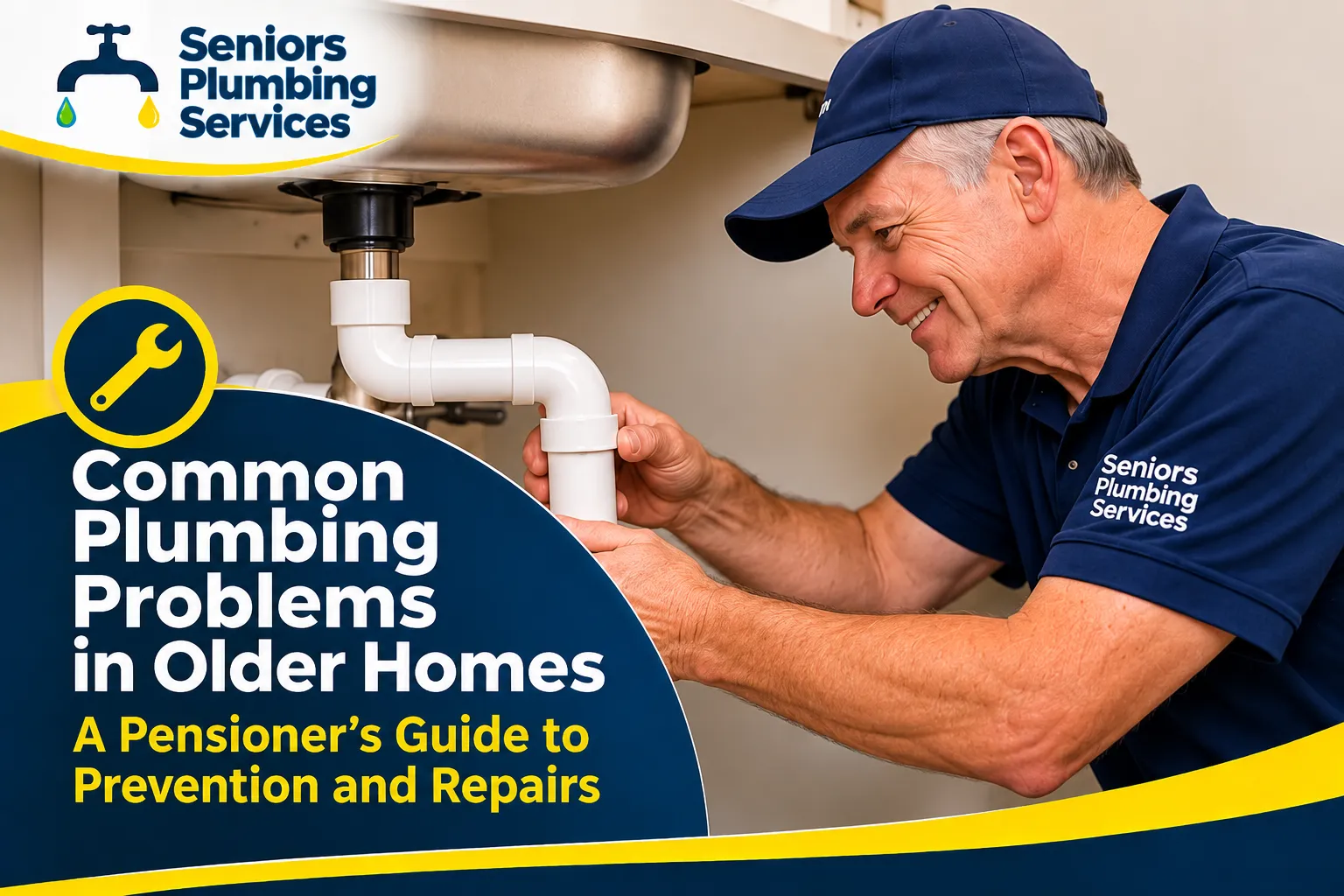
    Common Plumbing Problems in Older Homes: A Pensioner’s Guide to Prevention and Repairs

    Older homes often have plenty of character, but their plumbing systems may have been operating for decades. Over time, pipes, taps, toilets, drains and hot water systems can deteriorate, resulting in leaks, blockages and unexpected repair costs.

    For pensioners and older homeowners, plumbing problems can be particularly inconvenient. A leaking pipe or broken hot water system can disrupt daily routines and put pressure on a household budget.

    Understanding the warning signs of common plumbing problems can help you arrange repairs before minor issues become more expensive.

    Seniors Plumbing Services provides plumbing repairs and maintenance for older Australians throughout Greater Sydney, the Blue Mountains, Newcastle, the Central Coast and Wollongong.

    1. Leaking and Deteriorating Pipes

    Older pipework can deteriorate due to age, corrosion, movement and general wear.

    Warning signs include:

    • Unexpected increases in water bills.
    • Damp patches on walls or ceilings.
    • Water stains around floors and skirting boards.
    • Reduced water pressure.
    • Persistent damp smells.
    • Visible corrosion or moisture around exposed pipes.

    Not all leaks are immediately visible. If you suspect a hidden water leak, a plumber can investigate and recommend appropriate repairs.

    2. Burst Water Pipes

    A burst pipe can release a substantial amount of water in a short period, potentially damaging floors, walls, furniture and electrical equipment.

    If a pipe bursts:

    1. Turn off the main water supply if it is safe to do so.
    2. Keep away from water near electrical equipment.
    3. Move valuables away from the affected area if safe.
    4. Contact a licensed plumber.
    5. Arrange appropriate repairs and assessment of any water damage.

    Knowing where your main water shut-off valve is located can make an emergency easier to manage.

    3. Leaking Taps and Faulty Mixers

    Dripping taps are a common household plumbing problem.

    They may be caused by worn washers, damaged seals, faulty cartridges or deteriorating tap components.

    Although a dripping tap may seem minor, it can waste water over time and become increasingly irritating.

    A plumber can identify the faulty component and determine whether a repair or replacement is the most economical option.

    4. Running or Leaking Toilets

    Toilets contain several components that can wear out over time.

    Common problems include:

    • Constantly running cisterns.
    • Faulty inlet valves.
    • Damaged outlet valves.
    • Leaking toilet connections.
    • Blocked toilets.
    • Cracked toilet pans.

    A continuously running toilet can waste considerable water. If you notice water constantly entering the toilet bowl, it is worth arranging an inspection.

    Older homeowners may also wish to consider a comfort-height toilet or other accessibility upgrades when replacing an existing suite.

    5. Blocked Drains

    Kitchen sinks, bathroom drains, showers and toilets can become blocked through the accumulation of hair, soap residue, grease, food waste and other materials.

    Signs of a blockage include:

    • Water draining slowly.
    • Gurgling sounds.
    • Unpleasant drain smells.
    • Water backing up into sinks or showers.
    • Toilets that struggle to flush.

    Persistent or recurring blockages may indicate a deeper drainage issue. A plumber can investigate and recommend appropriate cleaning or repair work.

    6. Ageing Hot Water Systems

    Hot water systems do not last indefinitely. Components can deteriorate, tanks can corrode and heating elements or other parts may fail.

    Warning signs include:

    • Inconsistent water temperatures.
    • Water that takes longer to heat.
    • Unusual noises.
    • Visible leaks.
    • Rust-coloured hot water.
    • Insufficient hot water.

    Depending on the system’s condition, a repair may be sufficient. In other cases, replacement may be more economical.

    A licensed professional can assess the system and explain the available options.

    7. Shower Leaks and Failed Waterproofing

    A leaking shower can cause damage beyond the bathroom itself.

    Look out for water escaping around the shower, damaged grout, deteriorating silicone, loose tiles and dampness in adjoining rooms.

    The source of a leak needs to be identified before deciding on the repair. Sometimes the problem is a leaking fitting or pipe; in other cases, damaged waterproofing may be involved.

    Do not assume that replacing silicone or regrouting will resolve every shower leak.

    How Can Pensioners Reduce Plumbing Repair Costs?

    There are several practical ways to manage plumbing expenses.

    Arrange repairs early: Small leaks and minor faults can become more expensive if ignored.

    Know where the water shut-off valve is: This can help limit water damage during an emergency.

    Maintain your hot water system: Arrange an inspection when you notice changes in performance or visible problems.

    Ask for a written quote: Understand what work is included before authorising repairs.

    Ask about pensioner discounts: Some plumbing businesses offer discounts to eligible seniors and pensioners.

    Avoid attempting complex repairs yourself: Incorrect repairs can create additional problems and may affect the safety or compliance of the plumbing installation.

    Reliable Plumbing Assistance for Seniors

    Seniors Plumbing Services understands the importance of reliable, affordable plumbing for older homeowners.

    Our services include burst pipe repairs, leaking taps, toilet repairs, blocked drains, hot water systems, shower leaks and accessible bathroom plumbing.

    We service Greater Sydney, the Blue Mountains, Newcastle, the Central Coast and Wollongong.

    If you have noticed a plumbing problem or want to arrange repairs around your home, contact our team.

    Call Seniors Plumbing Services on 0418 224 182 to discuss your plumbing requirements.

    Frequently Asked Questions

    How often should older homes have their plumbing checked?

    There is no universal inspection interval for every property. The age and condition of the plumbing, previous problems and visible warning signs should guide whether an inspection is needed.

    What should I do if I discover a water leak?

    If safe, turn off the water supply to the affected fixture or the property’s main supply if necessary. Keep clear of water near electrical equipment and arrange a plumber to investigate.

    Can older pipes be repaired without replacing the entire system?

    Often, yes. The appropriate solution depends on the pipe material, location, condition and extent of deterioration. A plumber can assess whether a localised repair is suitable.

    Do plumbers offer discounts for pensioners?

    Some businesses offer seniors or pensioner discounts. Ask about eligibility and applicable services when requesting a quote.

  • Ageing in Place: 7 Bathroom Improvements That Help Seniors Stay Independent at Home

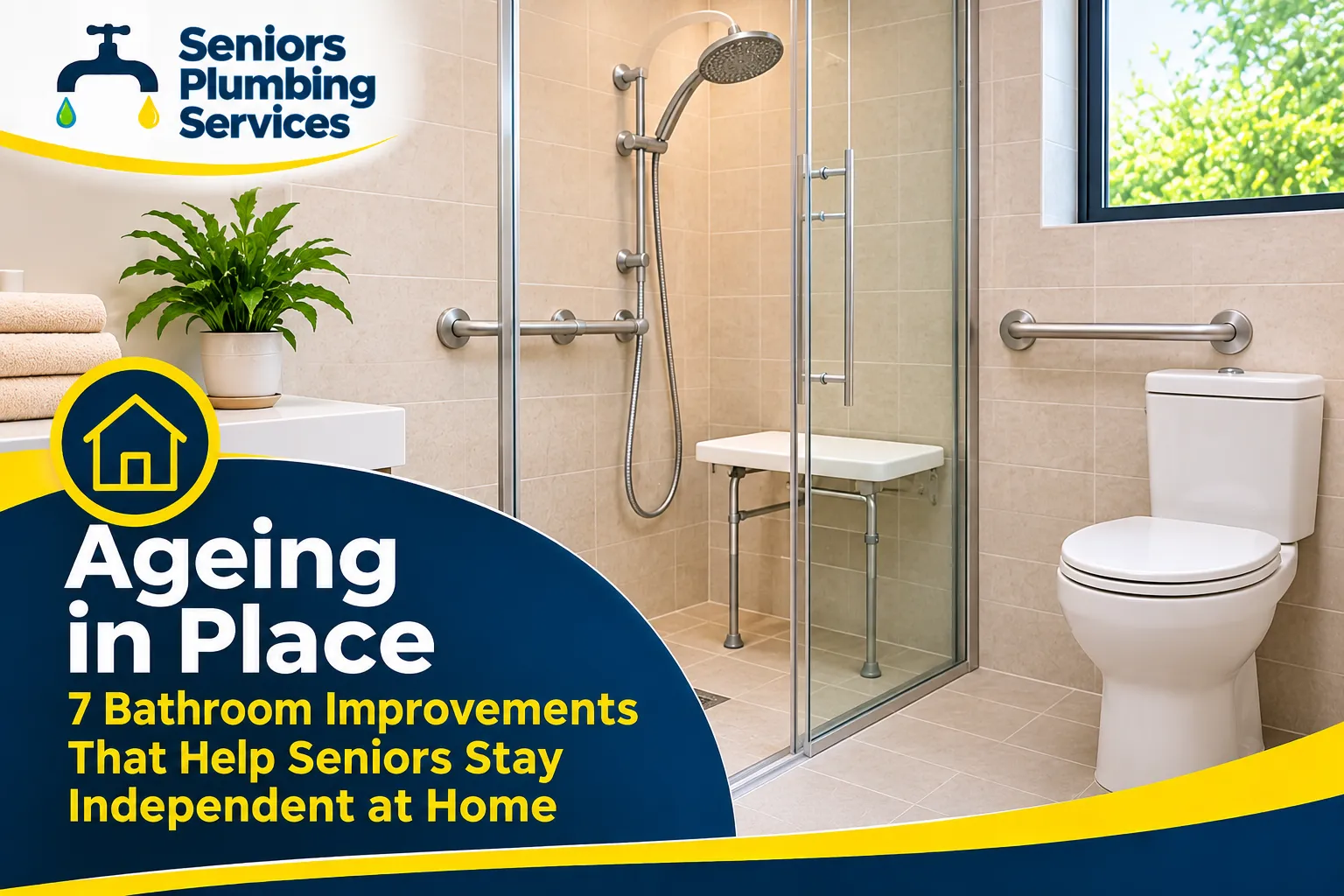
    Ageing in Place: 7 Bathroom Improvements That Help Seniors Stay Independent at Home

    Many older Australians want to remain in their own homes for as long as possible. Known as ageing in place, this approach allows seniors to maintain familiar surroundings, routines and independence as their needs change.

    However, bathrooms can become increasingly difficult to use as mobility, strength and balance change with age.

    Fortunately, practical bathroom improvements can make everyday activities more convenient and help older homeowners maintain a safer living environment.

    Seniors Plumbing Services helps homeowners throughout Greater Sydney and surrounding regions explore plumbing and bathroom upgrades designed with older Australians in mind.

    1. Install a Walk-In or Low-Step Shower

    Stepping over a high bath edge or shower hob can become difficult for someone with reduced mobility.

    A walk-in shower or low-step shower may provide easier access, depending on the bathroom layout and the user’s needs.

    When planning a shower upgrade, consider:

    • The height of the shower entry.
    • Available space for movement.
    • Suitable shower screens and doors.
    • Drainage and floor falls.
    • Waterproofing requirements.
    • Whether a shower seat may be appropriate.

    A complete shower conversion may involve plumbing, waterproofing and building work.

    2. Install Shower Grab Rails

    Grab rails provide a fixed support point when entering, leaving or moving around the shower.

    They should be positioned according to the user’s needs and securely fixed to suitable structural support.

    An occupational therapist can help determine appropriate positions, particularly where a person has specific mobility requirements.

    3. Consider a Shower Seat

    Standing throughout a shower can become tiring for some older people.

    A suitable shower seat may allow someone to sit while bathing. Options include fixed seats, fold-down seats and appropriately designed portable shower chairs.

    The selected product should be suitable for the user’s weight and mobility requirements, with appropriate support and positioning.

    4. Upgrade to a Comfort-Height Toilet

    A standard toilet can be difficult to use for people with knee, hip or mobility problems.

    A comfort-height or extra-tall toilet may make sitting down and standing up easier for some users.

    Other options include raised toilet seats and toilet support rails.

    Before choosing a new toilet, consider the user’s height, mobility, available bathroom space and existing plumbing connections.

    5. Install Toilet Support Rails

    Toilet support rails can provide an additional handhold when using the toilet.

    Depending on the bathroom layout, rails may be installed beside the toilet or as part of a suitable support frame.

    The fixing method is important. Rails that are not properly secured to suitable supporting structures should not be relied upon for body-weight support.

    6. Upgrade Shower and Bath Fittings

    Some shower and bath fittings are easier to use than others.

    Potential upgrades include:

    • Handheld showerheads.
    • Easy-to-operate shower controls.
    • Conveniently positioned taps.
    • Thermostatic mixing valves where appropriate.
    • Accessible shower fittings.
    • Practical bath and shower accessories.

    The right fittings can make everyday bathing more convenient, particularly for people who have difficulty reaching or operating conventional fixtures.

    7. Improve Bathroom Layout and Access

    A bathroom may need more than new fixtures to become easier to use.

    Consider whether there is sufficient room for walking aids, wheelchairs or assistance from another person.

    Other improvements may include better lighting, suitable non-slip flooring, easier-to-open shower doors and removing unnecessary obstacles.

    An occupational therapist can assess the bathroom and recommend modifications suited to the person’s needs.

    How Much Do Senior Bathroom Modifications Cost?

    The cost depends on the size of the bathroom, existing plumbing, selected fixtures and the extent of the work.

    A simple fixture replacement may be relatively straightforward, while converting a traditional bathroom into an accessible wet area can involve more extensive work.

    When requesting a quote, ask for a breakdown of:

    • Plumbing labour.
    • Fixtures and fittings.
    • Waterproofing.
    • Building or tiling work.
    • Electrical work, if required.
    • Any additional accessibility equipment.

    This makes it easier to compare quotes and plan your budget.

    Bathroom Plumbing for Ageing in Place in Sydney

    Seniors Plumbing Services helps older Australians with practical plumbing improvements, including toilet installations, shower repairs, accessible bathroom plumbing and hot water upgrades.

    Whether you are planning ahead for retirement or helping an elderly parent remain independent, we can discuss plumbing options suited to your home.

    We service Greater Sydney, the Blue Mountains, Newcastle, the Central Coast and Wollongong.

    Call 0418 224 182 to discuss bathroom upgrades for seniors.

    Frequently Asked Questions

    What is the most important bathroom modification for seniors?

    There is no single improvement that suits everyone. The best changes depend on the person’s mobility, balance, strength and bathroom layout.

    Can I make my existing bathroom more accessible without renovating it?

    Often, yes. Some improvements, such as suitable grab rails, shower fittings and toilet upgrades, may be possible without a complete renovation.

    Who can assess a bathroom for accessibility?

    An occupational therapist can assess how someone uses their bathroom and recommend suitable modifications. A qualified plumber can advise on plumbing work and installations.

    Are bathroom modifications covered by government assistance?

    Some older Australians or people with disability may be eligible for home modification assistance through particular programs. Eligibility, funding and approved work vary, so check current government and provider requirements.

  • Pensioner Plumbing Discounts: How Seniors Can Save on Plumbing Repairs in Australia

    Pensioner Plumbing Discounts: How Seniors Can Save on Plumbing Repairs in Australia

    Plumbing problems can be expensive and inconvenient, particularly for pensioners and older Australians living on a fixed income. A leaking tap, blocked toilet, broken hot water system or burst pipe can create an unexpected expense that places pressure on the household budget.

    The good news is that there are ways to manage plumbing costs, prioritise essential repairs and ask about discounts that may be available to seniors.

    Seniors Plumbing Services understands that affordability matters. We provide plumbing services for older homeowners throughout Greater Sydney, the Blue Mountains, Newcastle, the Central Coast and Wollongong.

    Do Plumbers Offer Pensioner Discounts?

    Some plumbing businesses offer seniors or pensioner discounts, although the availability and amount vary between providers.

    A discount may apply to particular services, labour charges or eligible customers. Some businesses may also offer special pricing for seniors on selected plumbing repairs and installations.

    Before booking, ask:

    • Is there a seniors or pensioner discount?
    • What proof of eligibility is required?
    • Does the discount apply to labour, materials or the total invoice?
    • Are there any excluded services?
    • Is the discount available for emergency plumbing?
    • Will the discount be shown on the written quote?

    It is always worth asking before work begins rather than assuming a discount will automatically apply.

    Common Plumbing Expenses for Pensioners

    Some plumbing problems are more common in older homes, particularly where fixtures, pipes and hot water systems have been in place for many years.

    Examples include:

    Leaking taps: Worn washers, seals and tap components can cause persistent dripping and unnecessary water consumption.

    Running toilets: Faulty inlet valves, outlet valves and flushing mechanisms can waste significant amounts of water.

    Blocked drains: Kitchen, bathroom and sewer drainage problems can disrupt everyday household activities.

    Hot water problems: Older hot water systems may become unreliable, leak or stop heating water properly.

    Burst or leaking pipes: Deteriorating pipework can lead to water damage and expensive repairs if not addressed.

    Arranging repairs when problems first appear may help prevent more extensive damage.

    Five Ways Pensioners Can Reduce Plumbing Costs

    1. Fix Small Leaks Early

    A dripping tap or minor pipe leak may appear insignificant, but ongoing water loss can add to household bills. Prompt repairs can help avoid unnecessary water consumption and prevent damage.

    2. Maintain Your Hot Water System

    Have problems investigated when you notice inconsistent temperatures, unusual noises, visible leaks or other changes in performance. A timely assessment can help determine whether a repair is appropriate or replacement should be considered.

    3. Avoid Unnecessary Replacements

    Not every plumbing problem requires a complete fixture replacement. In some cases, repairing a faulty component may be more economical.

    Ask your plumber to explain the available options and provide a clear quote.

    4. Compare Written Quotes

    For planned plumbing work, comparing quotes can help you understand the scope of the work, materials and total cost.

    Make sure you compare equivalent services rather than choosing solely on the lowest price.

    5. Ask About Senior Discounts

    If you hold an eligible Seniors Card or pensioner concession card, ask whether the plumbing business offers a discount and what evidence is required.

    What Plumbing Repairs Should Pensioners Prioritise?

    Some plumbing issues should be addressed more urgently than others.

    A burst water pipe, significant leak or overflowing toilet can cause immediate property damage and should be dealt with promptly.

    A complete loss of hot water may also require urgent attention, particularly where the household includes someone who relies on hot water for personal care.

    Minor issues such as a dripping tap or slow-running drain may be suitable for a scheduled appointment, provided they are not causing additional damage.

    If you are unsure how serious a plumbing problem is, contact a licensed plumber for advice.

    Affordable Plumbing Services for Seniors in Sydney

    At Seniors Plumbing Services, we understand that older homeowners value reliable workmanship, clear communication and honest pricing.

    Our plumbing services include:

    • Tap repairs and replacements.
    • Toilet repairs and installations.
    • Hot water repairs and replacements.
    • Blocked drains.
    • Burst pipe repairs.
    • Shower leak repairs.
    • Bathroom plumbing.
    • Accessible bathroom upgrades.

    Ask our team about current seniors and pensioner discounts, including eligibility and applicable services.

    We service Greater Sydney, the Blue Mountains, Newcastle, the Central Coast and Wollongong.

    Call Seniors Plumbing Services on 0418 224 182 to discuss your plumbing requirements and request a quote.

    Frequently Asked Questions

    Do pensioners automatically receive discounted plumbing services?

    No. Discounts are offered by individual businesses and may have eligibility conditions. Always confirm the terms before booking.

    Do I need a Pensioner Concession Card to receive a plumbing discount?

    It depends on the business. Some may accept a Seniors Card, Pensioner Concession Card or other proof of eligibility.

    Can I receive a discount on emergency plumbing?

    This depends on the plumbing business and the type of work required. Ask whether any discount applies before accepting a quote.

    How can I avoid expensive plumbing repairs?

    Regularly check taps, toilets, visible pipes and hot water systems for signs of leaks or deterioration. Arrange professional repairs when problems first appear.

  • Shower Grab Rail Installation for Seniors | Sydney

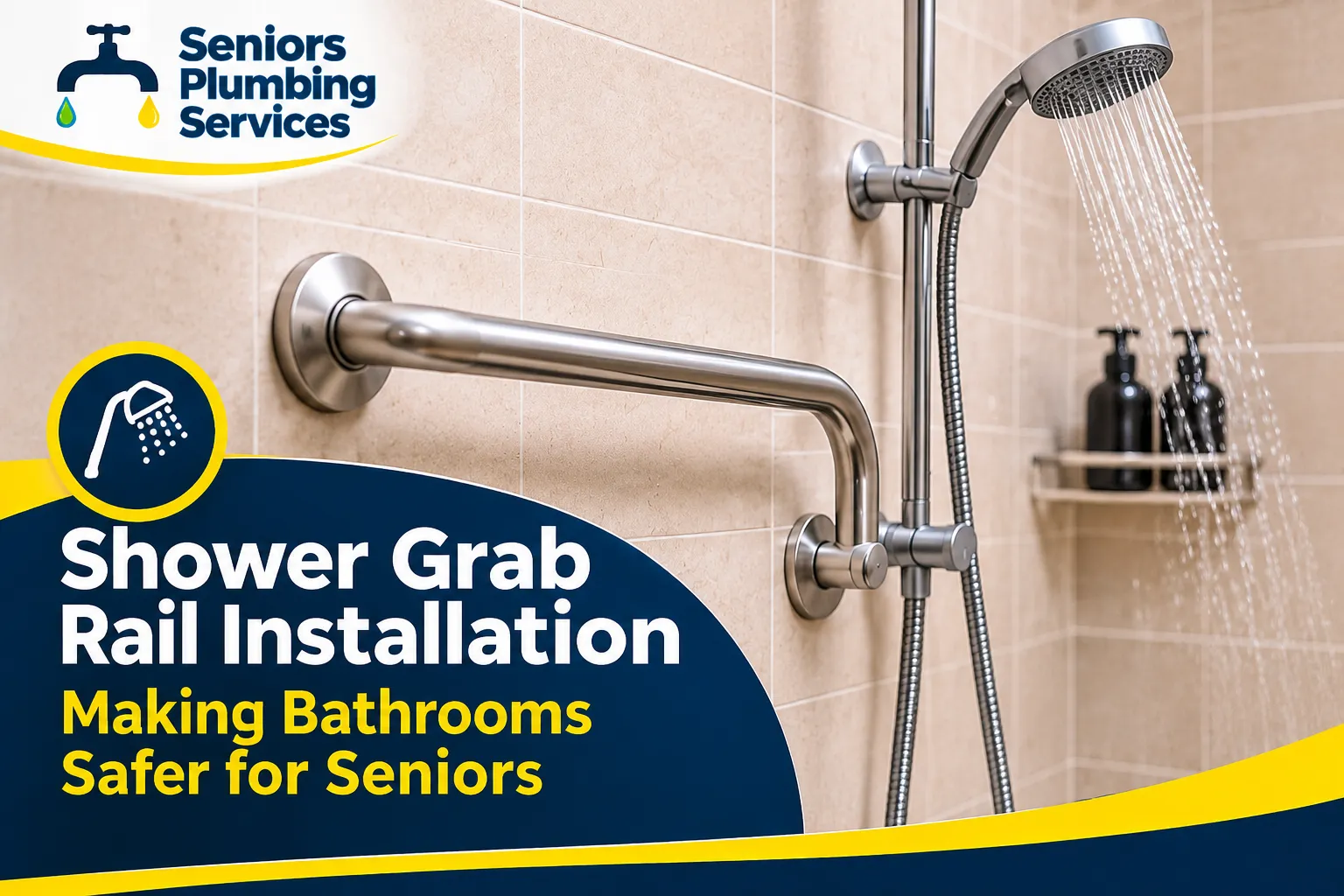
    Shower Grab Rail Installation for Seniors | Sydney

    The bathroom can become one of the most challenging areas of the home as mobility and balance change with age. Wet floors, slippery shower surfaces and awkward movements can make everyday bathing more difficult.

    Installing suitable shower grab rails can provide additional support when entering, leaving and using the shower. For older Australians who want to remain independent at home, professionally planned bathroom safety improvements can make an important difference.

    Seniors Plumbing Services helps homeowners explore practical bathroom plumbing and accessibility solutions throughout Greater Sydney and surrounding regions.

    What Are Shower Grab Rails?

    Shower grab rails are fixed support bars designed to give users something secure to hold while moving around the shower or bathroom.

    They are available in different lengths, shapes, finishes and configurations.

    Common types include:

    • Straight grab rails: Horizontal or vertical support bars.
    • Angled grab rails: Designed to provide support at different positions.
    • L-shaped grab rails: Combine horizontal and vertical support.
    • Shower entry rails: Positioned near the shower entrance.
    • Bathroom support rails: Installed near other bathroom fixtures where appropriate.

    The best choice depends on the person’s mobility, how they use the shower and the bathroom’s layout.

    Why Install Grab Rails in a Senior’s Bathroom?

    A correctly selected and installed grab rail can provide a stable handhold when someone is moving around the bathroom.

    Potential benefits include:

    Additional support: Rails provide something to hold while entering or leaving the shower.

    Greater confidence: Having suitable support points may make showering feel more manageable.

    Improved independence: Some people may find it easier to complete everyday bathroom activities without assistance.

    Practical bathroom upgrades: Grab rails can be incorporated into existing bathrooms without necessarily requiring a complete renovation.

    Grab rails are not a guarantee against falls. They should form part of a broader approach to bathroom safety, including suitable flooring, lighting and shower access.

    Where Should Shower Grab Rails Be Installed?

    Grab rail positioning is one of the most important considerations.

    Depending on the bathroom and the user’s requirements, rails may be installed:

    • Near the shower entrance.
    • Along the shower wall.
    • Beside the shower controls.
    • Near a shower seat.
    • Beside the bath.
    • Near the toilet.

    The correct position depends on how the person moves, where they need support and the available wall structure.

    An occupational therapist can assess the user’s movement and recommend appropriate rail positions. This can be particularly helpful for people with specific mobility or disability requirements.

    Why Professional Grab Rail Installation Matters

    A grab rail needs to be securely fixed to a suitable supporting structure. Simply attaching a rail to a tiled surface without appropriate structural support may not provide a safe installation.

    Before installation, the wall construction, fixing locations and mounting requirements should be considered.

    Professional installation helps ensure that:

    • The selected fixing method is suitable for the wall.
    • The rail is positioned appropriately.
    • Fixings are compatible with the rail and supporting structure.
    • The installation is suitable for the intended application.
    • Waterproofing is properly considered where penetrations are made in wet areas.

    Always follow the manufacturer’s installation requirements and applicable building and waterproofing requirements.

    Can Grab Rails Be Installed in an Existing Shower?

    In many cases, yes. Grab rails can often be added to an existing bathroom without replacing the shower.

    However, the installation depends on the wall construction, available fixing points, waterproofing and the selected rail.

    If the existing wall cannot safely support the rail, additional work may be necessary. It is important to assess this before installation.

    Other Bathroom Safety Improvements for Seniors

    Grab rails are only one part of an accessible bathroom.

    Other improvements worth considering include:

    • Walk-in or low-step showers.
    • Suitable shower seats.
    • Handheld shower fittings.
    • Accessible shower controls.
    • Non-slip flooring solutions.
    • Comfort-height toilets.
    • Toilet support rails.
    • Improved bathroom lighting.

    The most appropriate combination depends on the individual’s needs and the existing bathroom.

    Shower Grab Rail and Bathroom Plumbing Services for Pensioners

    Seniors Plumbing Services assists older Australians with shower plumbing, accessible bathroom upgrades, toilet installations and other practical plumbing improvements.

    Whether you are upgrading your own bathroom or arranging improvements for an elderly parent, we can help discuss suitable plumbing solutions.

    We service Greater Sydney, the Blue Mountains, Newcastle, the Central Coast and Wollongong.

    Call 0418 224 182 to discuss shower upgrades and bathroom plumbing for seniors.

    Frequently Asked Questions

    How many grab rails should a shower have?

    There is no single number that suits every bathroom. The number and placement depend on the user’s mobility, shower design and support requirements.

    Can grab rails be installed on tiled walls?

    Yes, provided the wall behind the tiles has suitable structural support and the correct fixing method is used.

    Can suction-cup grab rails be used instead?

    Suction-cup products may be suitable as temporary aids in some circumstances, but they should not be assumed to provide the same structural support as securely fixed grab rails. Check the manufacturer’s instructions and intended use.

    Can I have grab rails installed beside my toilet as well?

    Yes. Toilet support rails can be installed where the structure and available space permit, with positioning selected to suit the user.

  • Commode Installation for Seniors: Bedside Commodes, Toilet Alternatives and Bathroom Plumbing

    Commode Installation for Seniors: Bedside Commodes, Toilet Alternatives and Bathroom Plumbing

    For older Australians experiencing mobility difficulties, getting to the bathroom quickly and safely is not always easy. A bedside commode or specially configured toilet may provide a more convenient option, particularly for people recovering from surgery, living with limited mobility or receiving assistance at home.

    Understanding the different types of commodes, how they work and what installation may involve can help seniors and their families make an informed decision.

    Seniors Plumbing Services assists older homeowners with practical toilet and bathroom plumbing solutions throughout Greater Sydney and surrounding regions.

    What Is a Commode?

    A commode is a toilet alternative designed to make toileting more accessible for people who have difficulty using a conventional bathroom.

    There are several types.

    Bedside commode chairs: These are portable chairs with a toilet seat and removable collection container. They can be positioned near a bed, reducing the distance someone needs to travel to use the toilet.

    Over-toilet commodes: These are frames or chairs positioned over an existing toilet. Some models include armrests and adjustable height settings.

    Shower commode chairs: These are designed for use in suitable wet-area environments and may combine toileting and showering functions. Product suitability depends on the person’s needs and the manufacturer’s specifications.

    Accessible toilet suites: In some cases, replacing a conventional toilet with a higher or more accessible model may provide a more permanent bathroom solution.

    Does a Bedside Commode Require Plumbing?

    Most portable bedside commode chairs do not require plumbing. They generally use a removable container that needs to be emptied and cleaned according to the manufacturer’s instructions.

    An over-toilet commode also usually does not require separate plumbing because it sits over an existing toilet.

    However, if you are replacing a conventional toilet with an accessible toilet suite, plumbing work may be required. This can involve checking the existing waste outlet, water connection and toilet positioning.

    It is important to distinguish between installing a portable medical commode and carrying out plumbing work to replace or modify a toilet.

    When Should Seniors Consider a Commode?

    A commode may be worth considering when an older person:

    • Has difficulty walking to the bathroom.
    • Experiences reduced mobility or balance problems.
    • Is recovering from surgery or an injury.
    • Needs assistance with nighttime toileting.
    • Uses a wheelchair or other mobility aid.
    • Finds a conventional toilet difficult to access.

    A healthcare professional or occupational therapist can help determine whether a bedside commode, over-toilet frame or accessible toilet installation is the most appropriate option.

    Choosing the Right Commode for an Elderly Person

    There are several important factors to consider before purchasing a commode.

    Height and comfort: The seat should be appropriate for the user’s body size and ability to sit down and stand up.

    Weight capacity: Always check the manufacturer’s maximum user weight.

    Stability: The commode should be suitable for the intended floor surface and use. It should be positioned according to the manufacturer’s instructions.

    Armrests and support: Some models include armrests to assist with transfers.

    Cleaning requirements: Removable containers and easy-to-clean surfaces can make ongoing maintenance more convenient.

    Location: Consider whether the commode will be used beside a bed, over an existing toilet or in a bathroom.

    Can a Bathroom Be Modified to Make Commode Use Easier?

    Depending on the person’s needs, bathroom modifications may include installing an accessible toilet, changing the toilet height, improving access to the bathroom or adding appropriately positioned support rails.

    The surrounding layout is important. There needs to be sufficient space for the commode or mobility equipment, as well as safe access for the person using it and anyone assisting them.

    An occupational therapist can assess the user’s requirements, while a qualified plumber can advise on toilet replacement and plumbing modifications.

    Toilet and Bathroom Plumbing for Seniors in Sydney

    Seniors Plumbing Services helps older Australians with toilet repairs, toilet replacements and accessible bathroom plumbing.

    If you are considering replacing an existing toilet, installing a higher toilet suite or improving bathroom access for an elderly family member, we can discuss the plumbing options available.

    We service Greater Sydney, the Blue Mountains, Newcastle, the Central Coast and Wollongong.

    Call 0418 224 182 to discuss toilet installation and accessible bathroom plumbing.

    Frequently Asked Questions

    Does a bedside commode need to be connected to a toilet?

    No. Most bedside commodes use a removable collection container and do not need a plumbing connection.

    Can a commode be placed over an existing toilet?

    Yes. Some over-toilet commode frames are specifically designed to sit over a conventional toilet. Check the product’s compatibility and installation instructions.

    Is a commode better than a raised toilet seat?

    They serve different purposes. A raised toilet seat increases the height of an existing toilet, while a commode may provide additional support or allow toileting away from the bathroom.

    Can a plumber install a bedside commode?

    Portable bedside commode chairs generally do not require plumbing installation. A plumber can assist with related toilet replacement, plumbing connections and suitable bathroom modifications.

  • Disabled Toilet Installation: Choosing the Right Toilet for Seniors and People with Mobility Difficulties

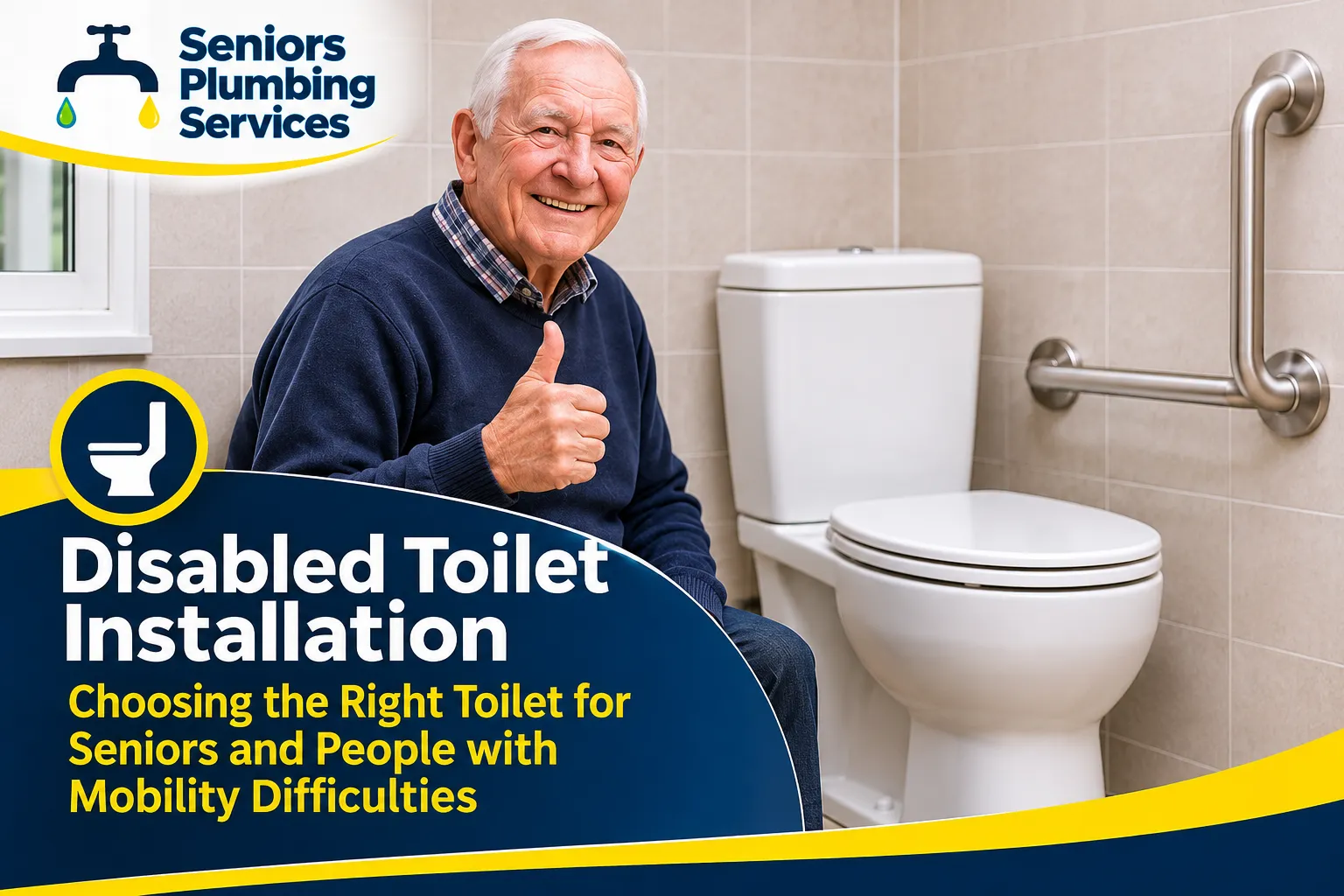
    Disabled Toilet Installation: Choosing the Right Toilet for Seniors and People with Mobility Difficulties

    As we get older, everyday activities that once seemed simple can become more challenging. Using the toilet is one example. Reduced mobility, joint pain, balance difficulties and other age-related changes can make sitting down and standing up from a standard toilet uncomfortable or difficult.

    A professionally installed accessible toilet can make a significant difference to comfort, convenience and independence. At Seniors Plumbing Services, we help older Australians and their families explore practical toilet plumbing solutions designed around individual needs.

    What Is an Accessible or Disabled Toilet?

    An accessible toilet is designed to make bathroom use easier for people with mobility limitations or disabilities. Depending on the user’s requirements and the bathroom layout, this may involve installing a higher toilet suite, adding support rails or making changes to the surrounding bathroom fixtures.

    Common options include:

    • Comfort-height toilets: Higher than many standard toilet suites, making sitting down and standing up easier for some users.
    • Extra-tall toilets: Designed to provide additional seat height.
    • Raised toilet seats: Increase the height of an existing toilet without necessarily replacing the entire suite.
    • Toilet support rails: Provide something stable to hold when sitting down or standing up, when correctly selected and installed.
    • Accessible toilet suites: Designed to accommodate particular accessibility requirements.

    The right choice depends on the person’s mobility, balance, preferences and the available space.

    Why Consider Disabled Toilet Installation?

    A standard toilet may become increasingly difficult to use when someone experiences reduced leg strength, arthritis, hip or knee problems, or difficulty maintaining balance.

    Installing a more suitable toilet can help address some of these challenges.

    Potential benefits include:

    • Greater comfort when sitting and standing.
    • Improved convenience for people with limited mobility.
    • Better support when combined with suitable grab rails.
    • A bathroom arrangement better suited to ageing in place.
    • Increased independence for older homeowners.

    It is important to remember that a higher toilet is not automatically the right solution for everyone. The appropriate height and support arrangements should reflect the user’s individual needs.

    What Should You Consider Before Installing an Accessible Toilet?

    Before replacing an existing toilet, consider the following factors.

    Toilet height: The correct height should allow the user to sit comfortably while keeping their feet appropriately supported.

    Bathroom space: There should be sufficient room to approach, use and transfer from the toilet safely. People who use wheelchairs or walking aids may require additional clearance.

    Support rails: Grab rails may provide additional assistance, but their positioning and fixing method are important. They need to be appropriate for the user’s needs and securely attached to a suitable supporting structure.

    Existing plumbing: Replacing a toilet can involve checking the existing water connection, waste outlet and floor arrangement.

    Future requirements: If mobility is likely to change, it may be worthwhile considering a more adaptable bathroom layout.

    An occupational therapist can help assess individual accessibility requirements, while a qualified plumber can advise on the plumbing and installation work.

    Can You Replace an Existing Toilet With a Disabled Toilet?

    In many homes, an existing toilet can be replaced with a more suitable model. However, compatibility depends on the existing plumbing, waste outlet position, available space and the selected toilet suite.

    A plumber can inspect the existing installation and explain what is involved before work begins.

    Sometimes, a raised toilet seat or support rail may be a simpler option than replacing the entire toilet. The most appropriate solution will depend on the circumstances.

    Disabled Toilet Installation for Pensioners and Seniors in Sydney

    Seniors Plumbing Services provides toilet repairs, replacements and accessible bathroom plumbing solutions for elderly homeowners throughout Greater Sydney, the Blue Mountains, Newcastle, the Central Coast and Wollongong.

    Whether you are helping an ageing parent, upgrading your own bathroom or planning ahead for retirement, we can help you explore practical toilet installation options.

    Call Seniors Plumbing Services on 0418 224 182 to discuss toilet replacements and accessible bathroom plumbing.

    Frequently Asked Questions

    How much does disabled toilet installation cost?

    The price depends on the toilet selected, existing plumbing, installation requirements and any additional accessibility work. Request an assessment and itemised quote before proceeding.

    Are comfort-height toilets suitable for all seniors?

    Not necessarily. A higher toilet can make standing easier for some people, but the ideal height depends on the individual’s mobility, leg length and ability to transfer safely.

    Can grab rails be installed beside an existing toilet?

    Yes, provided there is a suitable fixing location and the wall or supporting structure can accommodate the required installation. The rail position should suit the user’s needs.

    Can I receive a pensioner discount on toilet installation?

    Ask Seniors Plumbing Services about available seniors or pensioner discounts and any eligibility requirements when requesting a quote.